This article focuses on “the impact of servers in Battlefield Vietnam on multiplayer matchmaking and stability.” By examining network architecture and player distribution, it assesses the specific effects of server presence on matchmaking efficiency, latency, connection stability, and operational requirements. It also provides actionable recommendations for both developers and server hosting providers.
In retro or remastered projects, the statement “Battlefield Vietnam has servers” indicates a shift from P2P hosting to centralized hosting. Centralized servers enable unified management of sessions, logging data, and the deployment of anti-cheat strategies. They also provide a more stable coordination mechanism for cross-regional matching, thereby impacting the overall matching experience and the health of the community.
With the presence of servers, pairing efficiency can be improved through centralized matching queues and more detailed matching rules. Servers can be prioritized based on latency, rank, or map preferences. However, if the nodes are unevenly distributed or resources are insufficient, this can lead to increased matchmaking wait times. It is therefore necessary to strike a balance between load and response times.
Centralized servers generally reduce lag between players and the rate of peer-to-peer connection failures, but physical distance and bandwidth limitations remain the primary factors affecting performance. Proper deployment of edge nodes, optimization of network protocols, and latency-aware matchmaking can significantly enhance the stability of games and the consistency of hit detection results.
“When there are servers available for "Battlefield Vietnam," the GEO strategy determines the quality of the matches. Deploying content by geographic region or using intelligent routing can help reduce latency across oceans while maintaining activity in less populated areas. It is necessary to collect data on player distribution in order to dynamically adjust the weight of various regions and the strategy for scaling server capacity.
It is recommended to adopt a hybrid architecture: The core data and authentication are located in the data center, while the battle instances are placed near the edge nodes where the players are located. By combining load balancing, containerized deployment, and automatic scaling, it is possible to maintain matching speed and stability during peak periods, while also facilitating rapid patching and data backup.
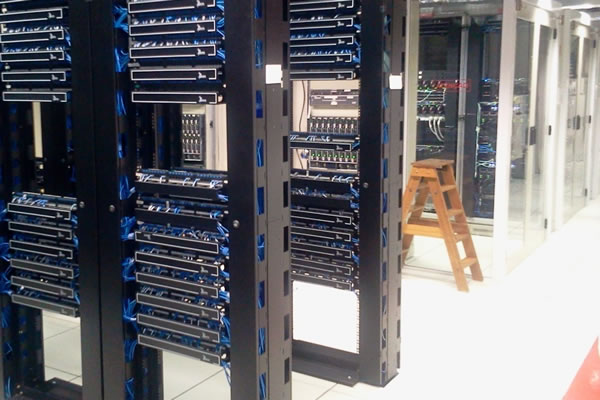
Centralized servers facilitate the implementation of unified anti-cheat strategies, log collection, and behavior analysis, thereby reducing the risk of cheating spreading. At the same time, it enables operations teams to respond more quickly to reports, blockings, and data audits, which directly contributes to enhancing community trust and retaining long-term players.
Migrating older games to a server-based architecture requires addressing issues related to network protocol compatibility, asset synchronization, and the reengineering of server-side logic. Developers should prioritize ensuring the consistency of the core game logic and gradually introduce modern networking mechanisms and rollback systems to avoid disrupting the existing user experience.
Overall, having servers in “Battlefield Vietnam” has a clear positive impact on multiplayer matchmaking and stability, but the effectiveness of these improvements depends on the distribution of server nodes, operational capabilities, and the matchmaking algorithm itself. It is recommended to prioritize the deployment of regional edge nodes, implement dynamic scaling and latency-aware matching mechanisms, and strengthen logging and anti-cheat systems. This will help improve matching efficiency while ensuring a fair and stable experience for users.
- Latest articles
- The Role of Tencent Cambodia Cloud Servers in Enterprise Multi-Region Disaster Recovery Strategies and Configuration Recommendations
- Is it useful to use Singapore-based cloud servers for acceleration, compliance, and cost analysis? What is the practical significance of this for small and medium-sized enterprises?
- Collection of Common Malfunctions and Self-Troubleshooting Steps for Malaysia-based Lighthouse Cloud Servers
- From a developer's perspective: which Korean cloud server provider offers the best network performance and stability?
- Interpretation of the Vietnamese VPS Ranking List: Explanation of the criteria and scoring methods used to determine the latest rankings for Vietnamese VPS providers
- Purchasing Checklist: Key Points to Consider When Ranking Japanese Cloud Service Providers and Reviewing Contract Terms
- How to properly assess the risks and limitations of free Thai VPS services when evaluating the feasibility of free solutions?
- Popular tags
-

How to easily get a Vietnamese server, share practical tips
This article shares practical tips on how to easily get a Vietnamese server, including choosing the right service provider, configuring the server, and maintenance suggestions. -

Complete process and precautions for enabling Vietnam server functions
This article introduces the complete process and precautions for enabling Vietnamese server functions to help users configure and use Vietnamese servers smoothly. -

Discussion on the story and culture behind the player's name in Vietnam server
Discuss the stories and culture behind the names of players in Vietnamese servers and reveal their impact on the gaming community.